
Miami Cargo Damage Lawyer
Transportation Law Attorney for Cargo Damage in Miami, Florida
When high-value freight is damaged, lost, or delayed in transit, you must act immediately to preserve evidence and secure your right to compensation before strict filing deadlines expire. Transportation law has grown more complex due to changing technology, instant communication, and increasing volumes of international freight. Transportation laws place strict time and damage limits on many claims. For smaller and medium-sized companies, a cargo loss can mean the difference between survival and bankruptcy. A Miami cargo damage lawyer can step in right away to identify liable parties across the logistics chain and initiate claims before your window for financial recovery closes.
At Michael C. Black, P.A., we represent shippers and cargo insurance companies in actions involving all types of cargo damage or loss. Because we work in this area of law every day, we have a thorough knowledge of all applicable laws.
Need help filing a claim for damage on shipped goods? Our Miami maritime attorney will work to protect your interests. Please call our office at (305) 964-8792 for a free consultation. Se habla español.
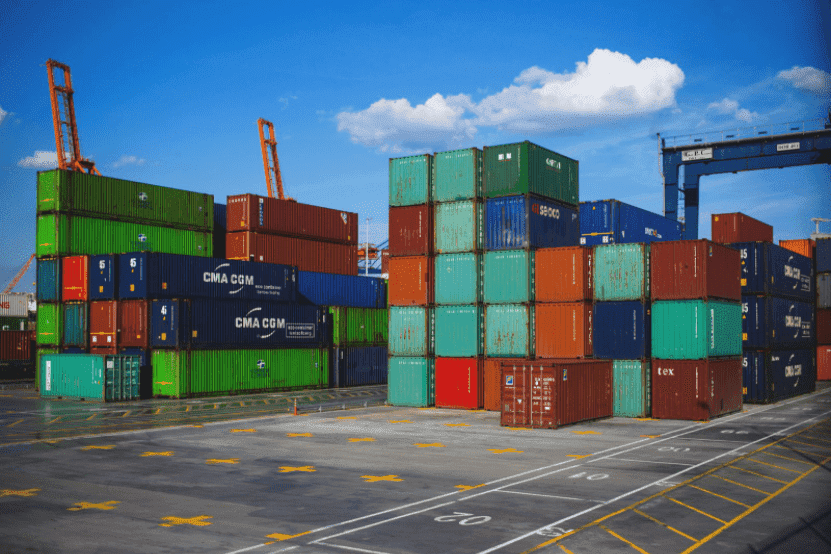
Common Causes of Cargo Damage
For shippers and insurance companies, cargo loss and damage is an all-too common occurrence. It can happen via any means of transportation, including:
- Air
- Sea
- Truck (overland)
- Railroad
Types of Cargo Damage You Should Know
- Theft - Negligent security can often lead to cargo damage or loss when the cargo is stored in a warehouse.
- Spoiled goods - Another way cargo can be damaged in storage is by the failure to maintain proper storage temperatures for foodstuffs and other perishable cargo.
- Water damage - Particularly when it comes to overseas shipping, water damage can occur if the freight or cargo is not properly secured during transit or is left exposed to the elements.
- Breakage - Delicate items such as technical equipment or fragile materials can be broken during shipping if they are handled too roughly.
- Infestations - During long transits or storage periods, it is not uncommon for containers to experience rodent or insect infestations; this can lead to spoiled or damaged cargo.
Who is Liable for Goods Damaged In Transit?
Liability will often depend on the type of contract that you, as a shipper, have with your transportation company. Our cargo and freight damage lawyer can help you determine who is liable for the damaged cargo. If the transportation company is found to be liable (as they often are), we will then work to get you the compensation that you deserve. Your cargo damage claim is important. Do not let transportation companies get away without paying for the goods they have damaged.
Several different parties may share responsibility for goods damaged in transit, depending on how the shipment moved and where the problem occurred:
- Motor carriers and truckers who carry freight over the road and may be responsible for improper loading, handling, or delays.
- Ocean carriers and vessel operators that move containers through ports such as PortMiami and must follow contract terms and maritime laws.
- Air carriers and cargo airlines that transport high-value or time-sensitive shipments and may face claims for delay or mishandling.
- Warehouses and terminal operators that store cargo between legs of the journey and must provide secure, appropriate conditions.
- Freight forwarders and logistics providers that arrange transportation and can be liable under certain contracts or legal frameworks.
In many situations, more than one business may have played a role in allowing cargo to be damaged or lost. Carriers, freight forwarders, warehouse operators, terminal operators, and even third-party logistics providers may all have duties related to handling and protecting a shipment. We carefully review bills of lading, service agreements, and insurance policies to understand how risk was allocated and whether any party failed to live up to its contractual or legal obligations.
Because Miami serves as a major gateway for ocean, air, and truck shipments moving between the United States, Latin America, and Europe, disputes about goods damaged in transit often involve complex questions about which law applies and where a claim must be filed. We work with our clients to gather documents, photographs, and communications early, so deadlines are met and evidence is preserved while the events are still fresh. This thorough approach helps businesses make informed decisions about whether to pursue settlement negotiations or formal litigation.
How Our Miami Maritime Lawyer Can Assist You
Our Miami maritime lawyer helps shippers, cargo insurance companies, and uninsured shippers recover compensation from cargo damaged, lost, or stolen through the Carriage of Goods by Sea Act (COGSA), the Carmack Amendment, the Montreal Convention, and other national and international laws, treaties, and conventions.
These laws define how ship owners, cargo airlines, railroads, and truckers must compensate cargo owners for problems in transit. With transportation companies looking to reduce liability by interpreting the law in their favor, our knowledge and experience in maritime transportation have helped clients resolve their contentious "package limitation" matters.
When we assist with a cargo damage claim, we typically help clients with several key aspects of the process:
- Evaluating applicable laws to determine whether COGSA, the Carmack Amendment, the Montreal Convention, or another framework controls the claim.
- Reviewing contracts and documents such as bills of lading, waybills, service agreements, and insurance policies to confirm rights and obligations.
- Coordinating investigations with surveyors, inspectors, and other professionals to document the condition of the cargo and possible causes of loss.
- Preparing and presenting claims to carriers and insurers with supporting records, calculations, and legal arguments.
- Negotiating resolutions or pursuing litigation in the appropriate court when fair payment is not offered voluntarily.
When a business contacts us about a potential cargo damage claim, we take time to understand how the shipment moved, which documents were issued, and where the loss occurred. We review booking confirmations, waybills, temperature logs, survey reports, and correspondence so we can identify strengths and weaknesses in the claim. By doing this early, we are able to provide practical guidance on potential recovery, likely defenses, and the steps needed to support the case.
Miami’s role as a major port city means many shipments move under foreign bills of lading or multimodal contracts that combine sea, air, and inland transportation. We assist clients in evaluating whether claims should be brought in federal court in South Florida, in another jurisdiction, or through arbitration, depending on the contract terms. We also help coordinate with surveyors and other professionals when on-the-ground inspections are needed to document damage or to determine whether packaging, handling, or external conditions contributed to the loss.
Steps To Take After Discovering Cargo Damage
When a shipment arrives damaged or short, the first decisions made on the dock or at the warehouse can have a lasting impact on any future claim. Taking organized, prompt steps helps preserve evidence and prevents an avoidable dispute with the carrier or insurer. By following a clear process, businesses can protect their position while they continue day-to-day operations and avoid unnecessary delays in resolving the problem.
The first priority is to document the condition of the cargo and packaging before it is moved or discarded. This usually includes photographing pallets, containers, seals, and any visible damage, as well as noting discrepancies on delivery receipts or bills of lading. It is also helpful to keep samples of damaged goods, retain temperature or tracking records, and collect statements from employees who saw the condition of the shipment upon arrival. These early details often become critical if the carrier later disputes that damage occurred in transit.
Once initial information is secured, the next step is to give timely written notice to the carrier, freight forwarder, and any cargo insurer involved. Many contracts and laws impose strict deadlines for providing notice and filing a formal cargo damage claim, and missing those deadlines can limit recovery or bar a claim altogether. Businesses in Miami that move freight through PortMiami, Miami International Airport, or local trucking terminals often deal with multiple carriers on the same shipment, so it is important to make sure that notice is sent to every party that may have handled the cargo, not just the last carrier in the chain.
Understanding Deadlines And Compensation In Cargo Damage Claims
Cargo damage claims are subject to a patchwork of time limits and monetary rules that can be confusing for businesses that do not deal with them every day. Different laws and contracts may apply depending on whether the shipment moved by sea, air, rail, or truck, and whether it was a domestic or international movement. Understanding these timelines and potential limits on recovery early helps companies evaluate whether it is worthwhile to pursue a claim and what financial result might reasonably be available.
Many transportation contracts contain contractual limitation periods that are shorter than general civil statutes of limitation, and some international conventions require written notice of damage within a relatively short time after delivery. In addition, carriers often rely on package limitation provisions or liability caps tied to the weight or number of shipping units to reduce what they must pay. By reviewing the terms on the bill of lading or air waybill and comparing them with the applicable law, we help businesses understand how those clauses may affect their claim and whether they can be challenged.
Compensation in a cargo damage claim typically focuses on the actual loss to the goods, which may include the invoice value of the damaged cargo, certain incidental expenses, and in some cases inspection or mitigation costs. Lost profits or consequential damages are often restricted or excluded entirely under transportation contracts, so it is useful to have a realistic picture of what categories of loss may be recoverable. For companies operating out of South Florida and using Miami as a logistics hub, this type of analysis allows them to budget appropriately, maintain relationships with customers, and decide whether to negotiate, mediate, or litigate a disputed claim.
Frequently Asked Questions
What should I do immediately after discovering cargo damage in Miami?
You should document the damage extensively with photographs and detailed notes before moving or salvaging the freight. Notify the carrier in writing immediately to preserve your claim and contact a transportation attorney to ensure you meet all strict reporting deadlines.
How long do I have to file a cargo damage claim in Florida?
The time limit depends on the mode of transportation and the specific laws governing your shipment, such as the Carmack Amendment for interstate trucking or the Carriage of Goods by Sea Act for maritime freight. Many carriers also have their own strict contractual deadlines that can be as short as a few days for providing initial notice, making prompt legal counsel essential.
Who is liable when my freight is damaged during international transit?
Liability can fall on various parties, including the ocean carrier, freight forwarder, trucking company, or warehouse operator, depending on where the damage occurred along the supply chain. A transportation law attorney will investigate the logistics chain and review the bills of lading to determine exactly who is legally responsible for your financial loss.
Can a carrier limit the amount of compensation I receive for damaged goods?
Yes, many carriers use tariffs and bills of lading to significantly limit their financial liability per pound or per package. An experienced attorney can review these documents to see if the limitations are legally enforceable or if there are specific legal avenues to pursue the full value of your lost cargo.
Does your law firm represent both individual shippers and cargo insurance companies?
Yes, we routinely represent both private shippers and cargo insurance companies in complex subrogation claims and direct damage lawsuits. We understand the unique legal needs of both entities when pursuing financial recovery for transit losses.
Secure Your Financial Recovery with a Miami Cargo Damage Lawyer
Delays in addressing freight losses can jeopardize your right to compensation under strict transportation laws. Securing experienced legal representation in Miami ensures your cargo damage claims are filed accurately and on time against all liable parties. Let our dedicated transportation law team handle the complex logistics disputes so your business can continue to move forward.
For a free consultation, please call us at (305) 964-8792 or use our online contact form!

Why We are Qualified to Take on Your Case
-
Over 30 Years of Experience
-
Board-Certified in Maritime & Admiralty Law
-
Free Phone Consultations Available
-
Attentive & Communicative with Every Client